
For more than 80 years, computers have used a binary alphabet of two symbols: 0 and 1. Imagine making English sentences with just two letters! With one extra symbol, a ternary alphabet, both traditional and emerging computer paradigms (quantum, photonic, etc.) can theoretically become more energy efficient and secure, faster, smaller, and ultimately lower in cost. Interestingly, this idea is not new: in 1838, Thomas Fowler created the first mechanical ternary computer, and in 1958, the Setun — the first electrical ternary computer — was built. Pioneers in binary computing like Atanasoff, Von Neumann, and Shannon all considered ternary for fundamental reasons.
The global race toward ternary computing is accelerating and the time to pay attention is now. China recently announced the world's first carbon-nanotube-based ternary AI chip, while companies like Huawei and research labs in South Korea are actively developing ternary processors. Startups around the world are exploring ternary architectures for neural network acceleration. Meanwhile, Microsoft Research has embraced balanced ternary for energy-efficient, high-performance Large Language Models (LLMs). Academia and industry alike acknowledge the need to shift from device-centric scaling to efficiency-centric scaling, as reflected in the recent IRDS Beyond CMOS roadmap. Industry adoption is already visible in communication standards such as USB 4.2, Thunderbolt 5, and I3C, as well as GDDR7 SDRAM for memory which feature ternary signals and/or encoding. Application domains span the automotive sector, IoT, cybersecurity, and more.
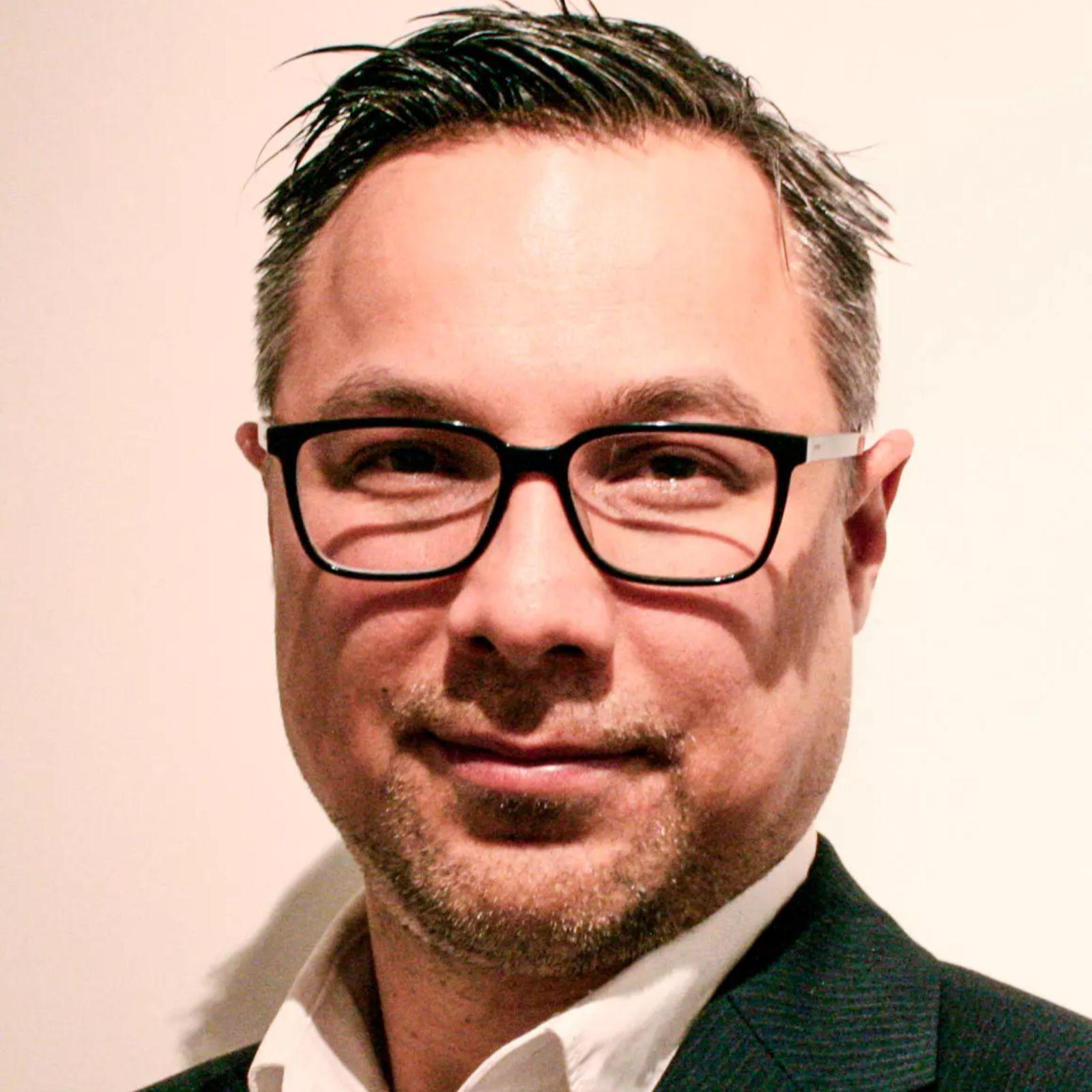
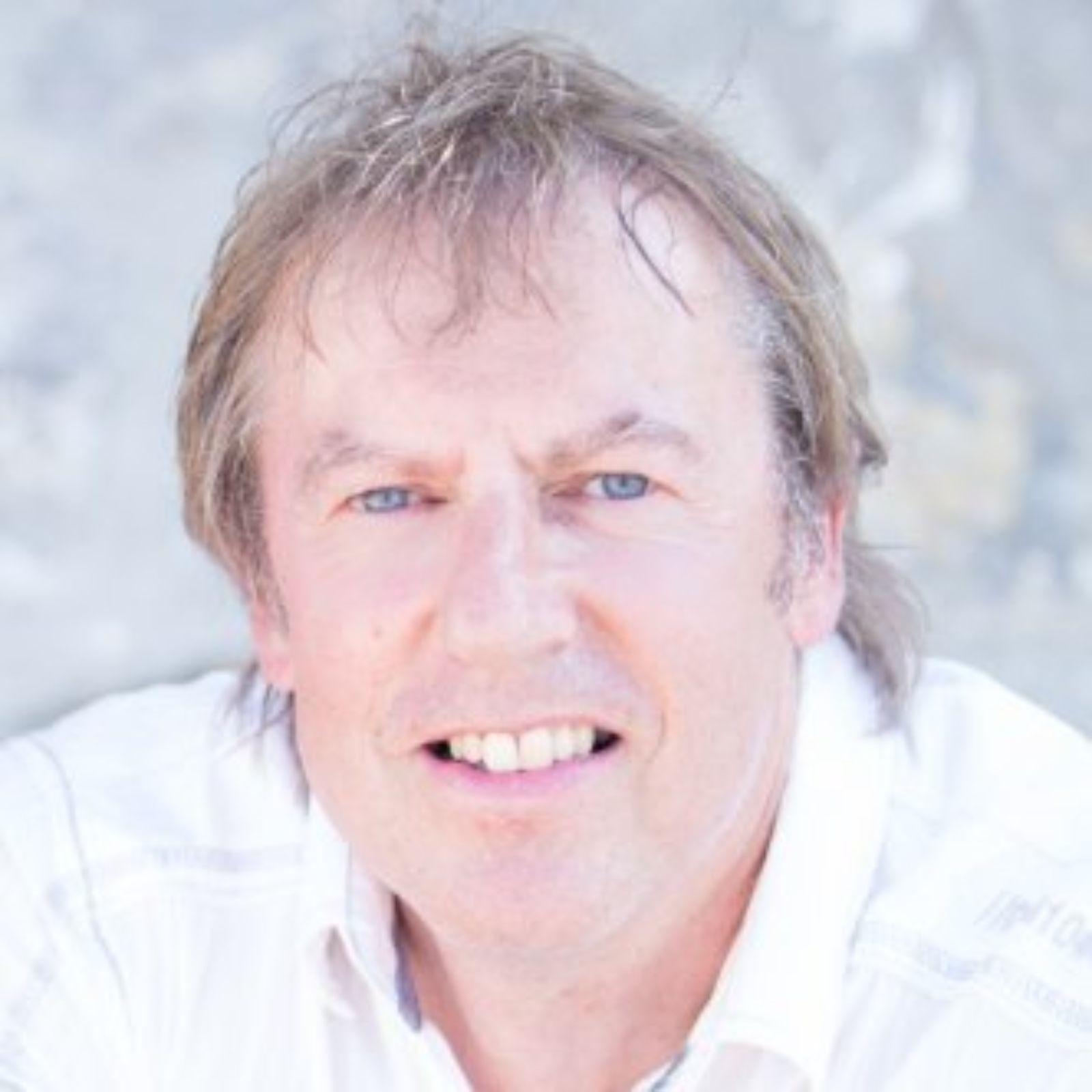
Join two leading USN researchers on ternary computing for this 45-minute talk + 15-minute discussion, which kicks off with why binary is increasingly struggling due to the continuation of Moore's Law (the doubling of transistor density every two years). Other topics highlight the unique benefits of balanced ternary numbers, results from the frontlines, demos of a working ternary computer, and a roadmap towards a complete ternary technology stack.
This talk will be accessible to a broad audience with a keen interest in computers. No specific math or other technical knowledge is required. Welcome!
Hvordan er denne programposten koblet til teknologi?
It is a talk about unconventional computers.

